 Having a child is one of the most life changing and wonderful experiences a mother and father can have. But sadly, many couples that wish to have a child have difficulty conceiving. These patients can undergo fertility treatments such as IVF, which involves the fertilization of the egg and sperm in a laboratory setting. However, fertility treatments can be expensive and preclude certain patients from seeking this advanced level of care. At the Center for Fertility and Gynecology in Los Angeles, we make fertility treatments as affordable as possible, without compromising our high standards of care. We also advise patients on ways in which they can save money on fertility treatment. One option that patients can pursue is an FSA, or flexible spending account.
An FSA is an employer-sponsored savings account that can be used to pay for certain medical expenses. At the beginning of the benefits period, employees can allocate a certain percentage of their income to be diverted into the FSA. Like with a 401k program, the money that is put into the FSA is not taxed. This allows employees keep more of their income, so long as that income is used on eligible health expenses.
Fertility treatments are eligible FSA medical expenses when the treatment is performed on the employee, the employee’s spouse, or a dependent. The FSA may not cover the cost of fertility treatment for a non-dependent surrogate. When the fertility treatment is performed on the employee, the employee’s spouse, or a dependent, the FSA can be used to cover the cost of:
This does not comprise a complete list of all of the fertility treatments that can be covered by an FSA. For information specific to you and your partner, consult your HR representative and a fertility clinic.
While an FSA may seem like a great way to help patients reduce the costs of fertility treatment, there are several limitations that should be considered before opening an account.
The FSA can only be used on eligible medical expenses. Before opening an FSA, make sure that the fertility treatment you are interested in is a covered expense.
A maximum of $2,500 can be put into an FSA. This may not cover the complete cost of treatment, but can still offer significant payroll tax and fertility treatment savings.
The money set aside in the FSA must be used within the benefits year. If the money is not used within the designated timeframe, the money is forfeited. There are two possible exceptions to this: some employers offer a 2½-month grace period, and others offer a $500 rollover period. If a couple gets pregnant on their own before undergoing fertility treatment, the FSA can be used on other eligible health expenses, such as restorative or general dentistry care, eye care treatments such as LASIK, or medications.
To schedule a fertility consultation, contact the Center for Fertility and Gynecology.
Locations
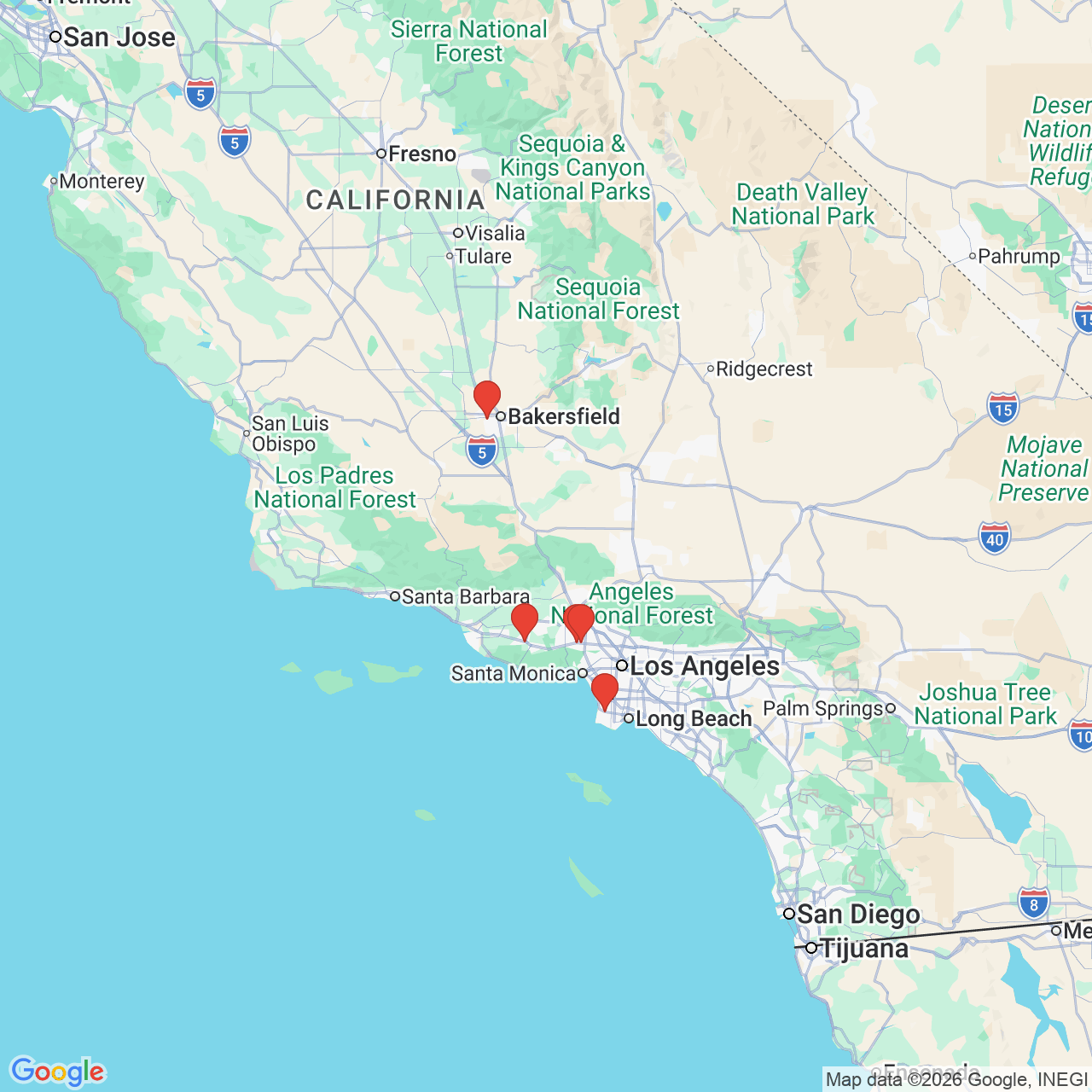
We have 5 locations the greater Los Angeles area
“Dr. Vermesh is a wonderful doctor... Every appointment, we felt valued and heard. Dr. Vermesh was prompt, prepared, and very focused on our case. My wife is currently 4 months pregnant after a successful transfer, and we’re so grateful for the high-quality, personalized care we received.” – Khari, 5-Star Review
“Wow, let me start by expressing my gratitude to Dr. Tolou and her team for their exceptional support throughout my journey. From scheduling, medication, to travel arrangements, they were amazing. I feel incredibly blessed... Keep Being Awesome Team.” – Juana, 5-Star Review