Throughout Los Angeles and indeed across the world, the term “embryo quality” is used as a means of evaluating embryos in the IVF laboratory . Because the term includes the word “quality” it can be misleading for many patients.
The word quality normally implies an inherent characteristic of something. For example, most people think of a Rolls Royce as being a “quality” car. The quality is inherent to the car whether it is new or old. Embryo quality however does not have the same long term implications. In fact, “embryo quality” is a short term description which is used to convey the chance that an embryo will implant. It is important to realize that “embryo quality” has nothing to do with the health or wellbeing of the future offspring. The term could be replaced by “implantation potential” as a more accurate description of the concept.
Embryo quality is derived by three types of observations in the IVF laboratory:
1. Embryo Stage: There are standard stages which the embryo should reach each day after fertilization . The first day after fertilization the embryo should be at the 2PN (pronucular) stage. The second day after fertilization the embryo should have 4 cells and the third day it should have 8 cells. On day 4, the number of cells becomes difficult to count because they begin to “melt” together. This is called the morula stage. Lastly, on day 5 a cavity forms on the inside of the embryo and this is called the blastocyst stage. Top quality embryos reach each stage on-time, lower quality embryos take more time.
2. Irregularity: ideally, the cells within an embryo are smooth round and even. A high quality embryo has few to none irregular cells
3. Fragmentation: little bits of debris which are visible within the embryo are called fragmentation. Like irregularity, the least amount of fragmentation, the better.
We consider all these factors when determining embryo quality and together they give us a good sense of implantation potential. Remember though, that it is not a perfect system. There are plenty of instances where poor quality embryos go on to become perfect wonderful babies. Unfortunately, there are also instances where top quality embryos do not implant. The bottom line is that embryo grading is just one more factor we use to help us predict success .
To learn more about embryo quality, please contact our center on 818-881-9800. One of our Fertility Specialists will be happy to speak with you.
Locations
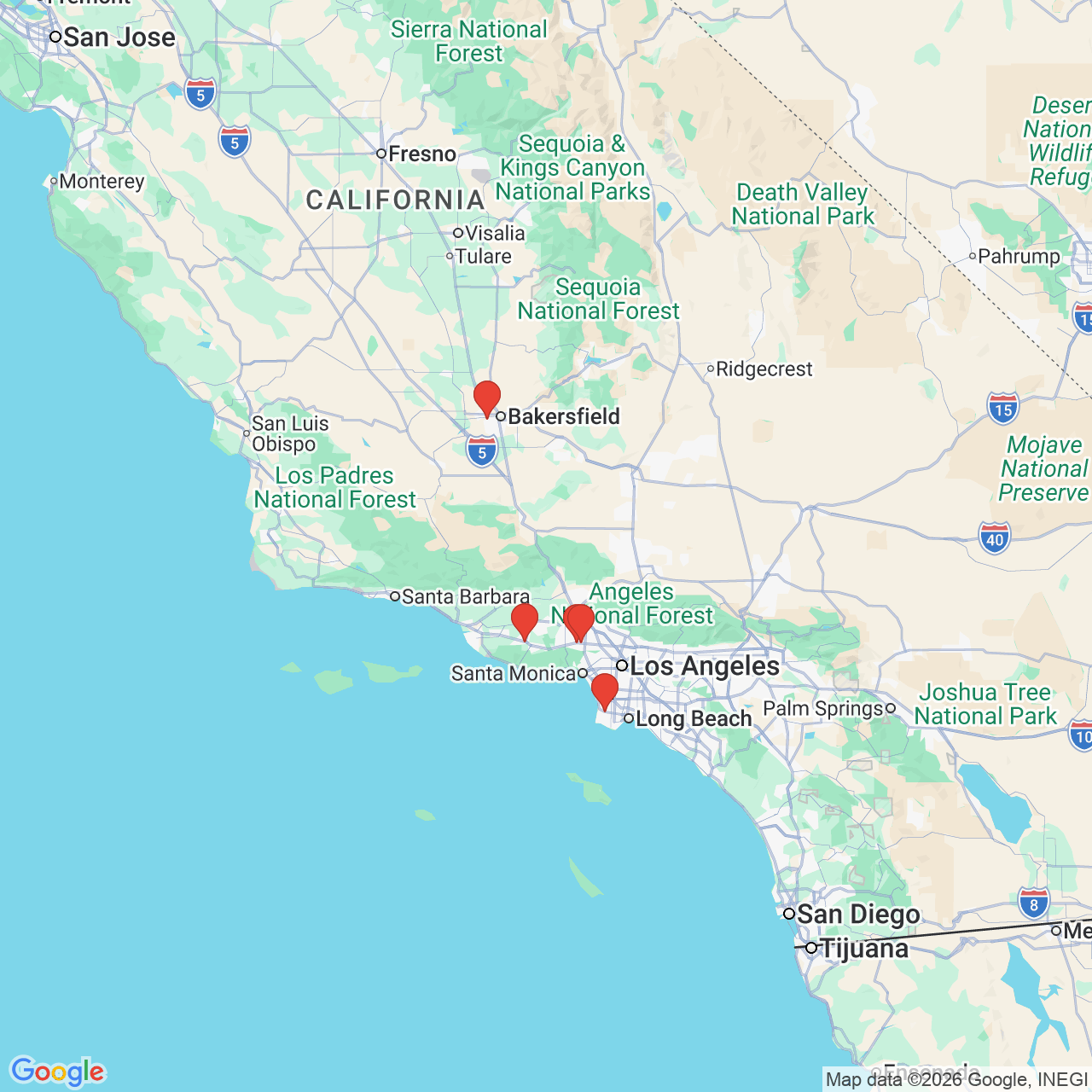
We have 5 locations the greater Los Angeles area
“Dr. Vermesh is a wonderful doctor... Every appointment, we felt valued and heard. Dr. Vermesh was prompt, prepared, and very focused on our case. My wife is currently 4 months pregnant after a successful transfer, and we’re so grateful for the high-quality, personalized care we received.” – Khari, 5-Star Review
“Wow, let me start by expressing my gratitude to Dr. Tolou and her team for their exceptional support throughout my journey. From scheduling, medication, to travel arrangements, they were amazing. I feel incredibly blessed... Keep Being Awesome Team.” – Juana, 5-Star Review